Burst Pipe Repair
When a pipe bursts in your home or business, it can cause extensive damage and disrupt your daily life. That’s why M and M Heating, Cooling, Plumbing and Electrical offers quick and effective burst pipe repair services throughout Longmont, CO and the entire Front Range. Our team of experienced plumbers is available 24/7, 365 days a year, to handle any emergency plumbing situation you may encounter.
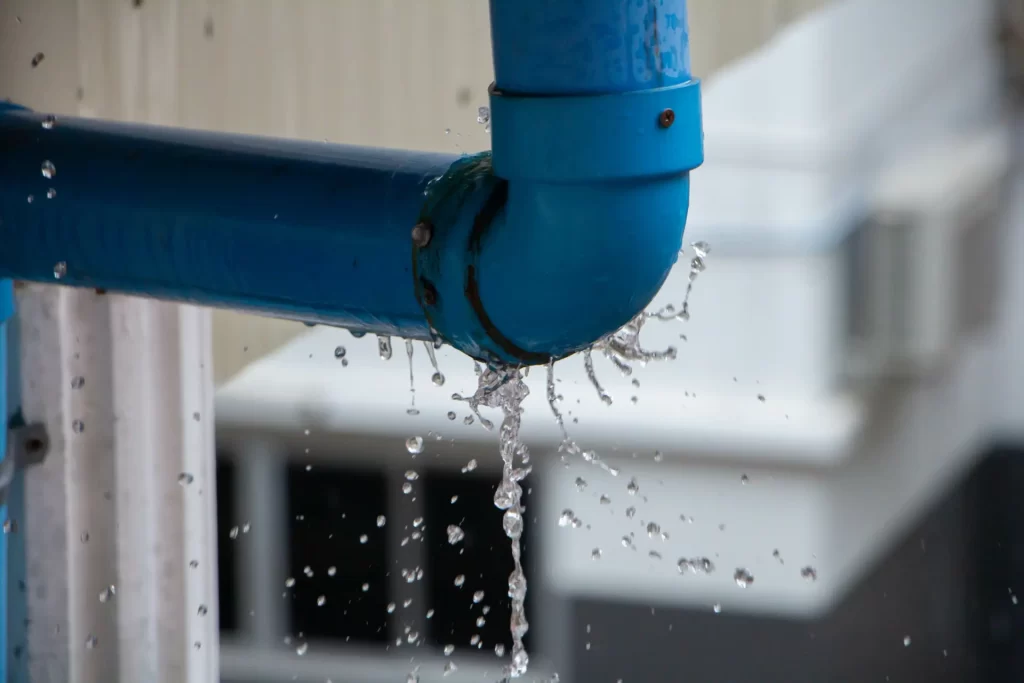
A burst pipe is one of the few plumbing emergencies that can turn a quiet evening into a frantic scramble within minutes. Water escaping from a ruptured line does not wait for a convenient time, and it does not stop on its own. Within the first hour, a single broken supply line can release hundreds of gallons of water, soaking drywall, flooring, insulation, and anything stored nearby. Knowing what to do in those first moments, and who to call, makes the difference between a manageable repair and a full-scale restoration project.
At M and M Heating, Cooling, Plumbing and Electrical, we handle burst pipe repairs across Longmont, Dacono, Eric, Firestone, Frederick, Johnstown, Longmont, Mead, CO with the urgency they demand. Family owned and operated since 1998, we have responded to countless pipe failures in homes throughout the Front Range, and we understand how the local climate, water chemistry, and construction styles all contribute to the problem. This page walks through why pipes burst, what you should do when it happens, how we repair the damage, and how we help you avoid a repeat.
Why Pipes Burst in the First Place
The most common cause of a burst pipe along the Front Range is freezing. When water inside a pipe freezes, it expands, and that expansion creates enormous internal pressure. The pipe does not usually split at the frozen section itself. Instead, pressure builds between the ice blockage and a closed faucet, and the pipe fails at its weakest point. Pipes in unheated spaces such as crawl spaces, attics, exterior walls, and garages are the most vulnerable, especially during the sudden cold snaps our region is known for.
Freezing is not the only culprit. Corrosion gradually thins pipe walls over the years, particularly in older galvanized steel systems. Water with high mineral content accelerates this process from the inside out. High water pressure puts constant strain on joints and fittings, and shifting soil or settling foundations can stress buried lines until they crack. Even poorly soldered copper connections or loosened fittings can give way over time. When we arrive at a burst pipe call, part of our job is identifying the root cause so the repair addresses more than just the visible break.
What to Do the Moment a Pipe Bursts
Acting quickly protects your home and reduces the eventual repair cost. If you ever face a burst pipe before our technician arrives, follow these steps in order.
- Shut off the main water supply: Locate your home’s main shutoff valve, usually near where the water line enters the house, and turn it off to stop the flow at its source.
- Turn off the electricity if water is near outlets or panels: Standing water and electrical current are a dangerous combination, so cut power to affected areas at the breaker if you can do so safely.
- Open faucets to relieve pressure: Draining the remaining water from the lines reduces leaking and helps relieve pressure on the damaged section.
- Move valuables and soak up water: Relocate furniture and belongings away from the area, then use towels, buckets, or a wet vacuum to limit how far the water spreads.
- Call M and M Heating, Cooling, Plumbing and Electrical: The sooner we are on the way, the sooner we can stop the damage and begin a permanent repair.
These actions buy valuable time. Even after the water is shut off, moisture trapped in walls and floors can lead to mold if it is not dried properly, so prompt professional attention matters even when the immediate flooding has stopped.
How We Diagnose and Repair a Burst Pipe
When our technician arrives, the first task is confirming the water is fully shut off and the area is safe. We then locate the exact point of failure. Sometimes the break is obvious, with water visibly spraying from a line. Other times the rupture hides inside a wall, under a slab, or beneath the floor, and only a damp spot or a drop in water pressure reveals it. We use moisture meters, visual inspection, and our experience with local construction to pinpoint the break without tearing open more of your home than necessary.
Once we find the damaged section, we evaluate the surrounding pipe. A clean, isolated break in otherwise sound piping often calls for cutting out the damaged portion and installing a new section with proper fittings. When we see corrosion, repeated failures, or outdated material such as polybutylene or old galvanized steel, we talk with you about replacing a longer run to prevent the next burst. Our goal is always a repair that holds, not a patch that fails again in a few months.
The repair material depends on your existing system. We work with copper, PEX, CPVC, and other common piping materials, matching the right product to the application. PEX, for example, offers excellent resistance to freeze damage because it can expand slightly before failing, which makes it a smart choice for vulnerable locations. Copper remains a durable, time-tested option for many connections. After completing the repair, we restore water pressure, check every joint for leaks, and confirm the whole system is operating normally before we consider the job finished.
Preventing the Next Burst Pipe
A good repair solves today’s emergency, but prevention protects you from the next one. For pipes in unheated areas, we recommend proper insulation with pipe sleeves or heat tape rated for the job. Sealing air leaks around rim joists, foundation penetrations, and exterior walls keeps frigid air away from your plumbing. During extreme cold, letting a faucet drip slightly keeps water moving and lowers freeze risk, and opening cabinet doors allows warm room air to reach pipes under sinks.
Water pressure deserves attention too. Pressure that runs too high strains your entire system, and installing or servicing a pressure-reducing valve keeps it within a safe range. If your home has aging galvanized or polybutylene piping, we can assess whether a repiping project makes sense before failures become routine. These proactive measures cost far less than emergency repairs and the water damage that comes with them, and our team is happy to inspect your system and point out trouble spots.
Why Homeowners Rely on M and M Heating, Cooling, Plumbing and Electrical
When water is spreading across your floor, you want a team that shows up prepared and gets the job done right. Our technicians are NATE-certified, factory trained, and EPA certified, bringing a level of expertise that covers not only plumbing but the full range of home systems. That matters when a burst pipe affects nearby electrical components or when the failure ties into your heating system, because we can address the whole situation under one roof.
As a family owned and operated business serving our community since 1998, we have built our reputation on responsive service and honest recommendations. We treat your home with respect, explain what we find in plain language, and give you clear options rather than pushing unnecessary work. From the first cold snap of winter to the unexpected failure of an aging line, M and M Heating, Cooling, Plumbing and Electrical stands ready to help households across Longmont, Dacono, Eric, Firestone, Frederick, Johnstown, Longmont, Mead, CO recover quickly and protect their homes against future problems. When a pipe bursts, call us, and we will get your water flowing where it belongs.




 Your Privacy Choices